
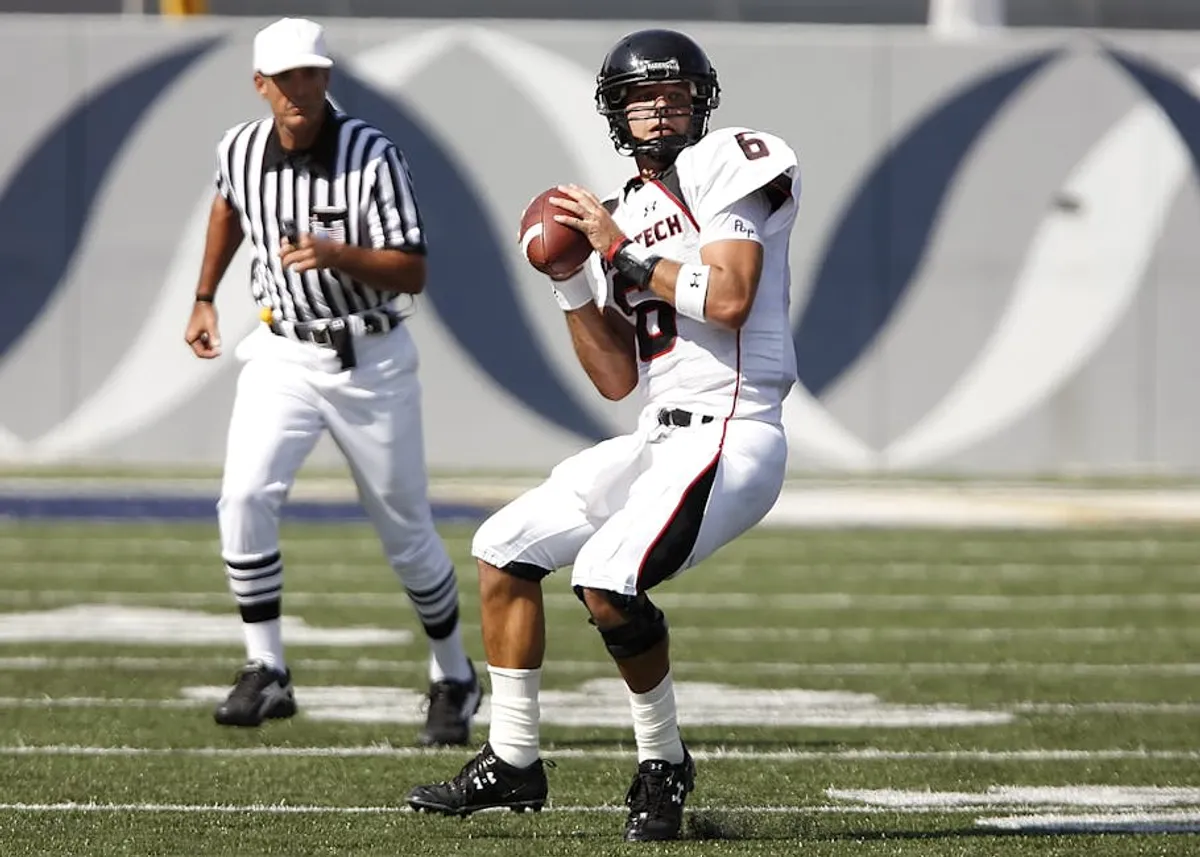
For content strategists and SEO professionals, navigating high-interest, dynamic subjects like Oregon Football presents both significant challenges and substantial opportunities. The consistent demand for current information—spanning news, statistics, and schedules—creates a complex landscape for keyword targeting, content production, and audience engagement. This guide outlines a structured approach to analyzing and leveraging such topics, focusing on data-driven content creation and sustained topical authority.
Tracking Real-Time Oregon Football News for Content Relevance
Monitoring real-time news flow around a topic like Oregon Football is critical for maintaining content freshness and capitalizing on trending search queries. News cycles dictate shifts in user intent, from general team information to specific game recaps, injury reports, or recruiting updates. Failing to track these shifts can result in content that is quickly outdated or misses high-volume, short-term keyword opportunities.
Identifying Primary News Sources
Effective news tracking begins with identifying authoritative and timely sources. For a collegiate sports topic, this typically includes official university athletic department sites, established sports news outlets with dedicated beat reporters, and reputable local media. Prioritize sources known for breaking news accurately and quickly. Establish RSS feeds or use custom news aggregators to centralize incoming information, ensuring a comprehensive view without manual, fragmented searches.
Leveraging News Cycles for Timely Content
Each news event, from a coaching change to a key player performance, generates a cluster of related search queries. Develop a content calendar that anticipates these cycles: pre-season hype, weekly game previews/recaps, transfer portal activity, and post-season analysis. For instance, before a major game, focus on "Oregon Football vs. [Opponent] odds" or "key matchups." Immediately after, target "Oregon Football game highlights" or "player of the game analysis." This proactive approach ensures content aligns with immediate user needs and captures transient search volume.
Pro Tip: News velocity for high-interest sports topics is extremely high. Content created to capitalize on breaking news has a short shelf-life for peak performance. Prioritize speed and accuracy in publishing. For long-term value, integrate timely news into evergreen content, updating sections like "team roster" or "historical records" with recent developments rather than relying solely on ephemeral news articles.
Utilizing Oregon Football Statistics for Data-Driven Content
Statistical data provides objective evidence and builds authority for content related to Oregon Football. Beyond basic win/loss records, granular statistics offer insights into team strengths, player performance, and historical trends, which are valuable for both informational and analytical content.
Accessing Reliable Statistical Data
Official NCAA statistics websites, reputable sports data providers, and established sports media archives are primary sources for accurate Oregon Football data. Focus on metrics relevant to audience interest: offensive and defensive efficiency, individual player statistics (passing yards, rushing touchdowns, tackles), and advanced analytics (e.g., PFF grades, success rates). Verify data consistency across multiple sources to ensure accuracy before integrating it into content.
Translating Stats into Engaging Narratives
Raw statistics alone are not inherently engaging. The commercial value lies in interpreting these numbers to tell a story or support an argument. For example, instead of merely listing a quarterback's completion percentage, explain what that percentage signifies for the team's offensive strategy or how it compares to historical averages. Use data visualization (charts, graphs) to make complex statistics digestible and highlight key takeaways. This approach transforms data points into valuable insights for your audience.
Key statistical categories for content integration include:
- Team Performance: Total offense/defense, points per game, turnover margin, third-down conversion rates.
- Individual Player Stats: Quarterback efficiency (QBR, completion %); running back yards per carry, touchdowns; receiver yards, receptions; defensive sacks, interceptions, tackles.
- Historical Trends: Season-over-season comparisons, records against specific opponents, bowl game appearances and results.
- Advanced Metrics: Efficiency ratings, expected points added (EPA), win probability.
Integrating Oregon Football Schedules into Content Planning
The Oregon Football schedule is a foundational element for content planning, offering predictable peaks in search interest and clear opportunities for keyword targeting. Proactive schedule integration ensures content is ready ahead of demand.
Schedule-Driven Keyword Opportunities
Each game on the schedule generates specific keyword opportunities. Before a game, search queries often revolve around "Oregon Football vs. [Opponent] kickoff time," "TV channel," "betting lines," or "injury updates." After a game, queries shift to "Oregon Football score," "game highlights," or "post-game analysis." Map these anticipated queries to your content plan, creating dedicated pages or updating existing ones. Consider generating content for the entire season schedule early, allowing for timely updates as games approach and conclude.
Structuring Evergreen vs. Timely Schedule Content
Differentiate between evergreen schedule content and timely updates. An evergreen "Oregon Football Schedule" page can list all games with basic information (date, opponent). This page can be updated annually. For individual games, create timely content that focuses on specific matchups, predictions, or recaps. Link these timely pieces from the main schedule page to consolidate topical authority and improve internal navigation. Ensure clear schema markup for event details to enhance search visibility for individual game listings.
Developing a Comprehensive Oregon Football Content Guide
A comprehensive guide on Oregon Football serves as a central hub of information, establishing topical authority and capturing a wide range of user intents—from basic informational queries to more specific, long-tail searches.
Core Components of an Authoritative Guide
An effective guide covers multiple facets of the topic systematically. For Oregon Football, this includes:
- Team History: Key eras, notable coaches, championship seasons, iconic players.
- Current Roster & Coaching Staff: Detailed profiles, depth charts.
- Stadium Information: Venue details, game-day experience.
- Recruiting Overview: Current class, historical recruiting trends.
- Conference Affiliation: Pac-12 (or future conference) context, rivalries.
- Statistical Records: Team and individual records.
- Fan Culture: Traditions, chants, notable alumni.
Each component should be developed with depth and accuracy, providing value beyond surface-level information.
SEO Considerations for Guide Structure
Structure the guide logically with clear headings and subheadings (H2s, H3s) to improve readability and allow search engines to parse content effectively. Implement internal linking strategically, connecting related sections within the guide and to external authoritative sources where appropriate. Optimize for a broad range of keywords, from high-volume head terms like "Oregon Ducks Football" to specific long-tail queries such as "Oregon Football all-time leading rusher." Consider creating a table of contents for longer guides to enhance user experience and provide jump links for direct access to specific sections.
Practical Application for Content Managers
Successfully navigating a high-interest, dynamic topic like Oregon Football requires a blend of proactive planning, real-time monitoring, and strategic content deployment. Develop a robust keyword strategy that accounts for both evergreen informational needs and transient news-driven queries. Implement a content production workflow that allows for rapid response to breaking news while also building out foundational, authoritative guide content. Regularly analyze search performance to identify content gaps and refine your approach, ensuring sustained relevance and visibility within a competitive information landscape.
Frequently Asked Questions
How does news velocity impact keyword strategy for a topic like Oregon Football?
High news velocity means keyword trends can shift rapidly. Your strategy must balance targeting stable, evergreen queries (e.g., "Oregon Football history") with agile content creation for trending, short-lived terms (e.g., "Oregon Football injury report [player name]").
What is the primary benefit of integrating statistical data into sports content?
Integrating statistical data enhances content authority, provides objective insights, and differentiates your content from opinion-based pieces. It helps answer specific user queries and can be used to create compelling data visualizations.
How can content managers leverage the Oregon Football schedule for SEO?
The schedule provides a predictable framework for content planning. Each game offers opportunities for pre-game (e.g., "odds," "preview") and post-game (e.g., "recap," "highlights") content, allowing for targeted keyword efforts throughout the season.
What role do internal links play in a comprehensive content guide for a sports topic?
Internal links are crucial for establishing topical authority and improving user experience. They connect related sections, help search engines understand content hierarchy, and distribute page authority throughout your guide, making it more discoverable.