
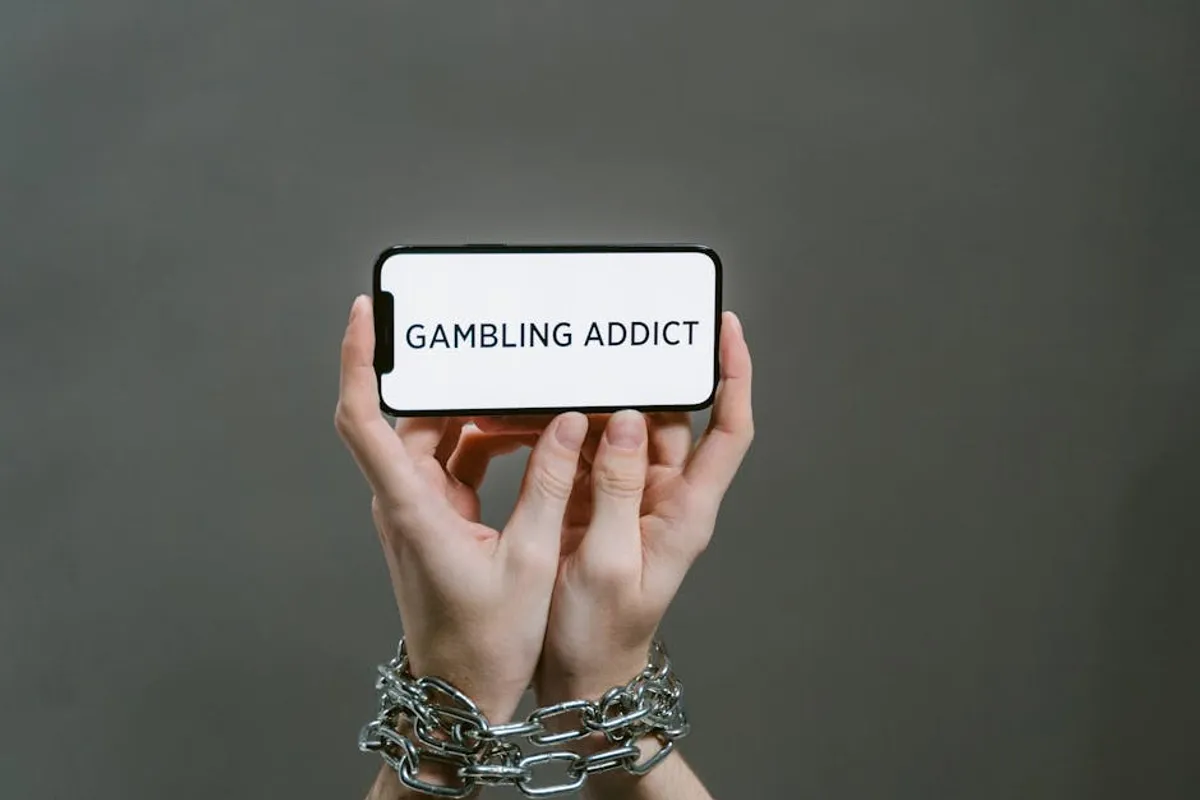
Engaging with online casino platforms offers entertainment and the potential for wins, but maintaining control over play is crucial for a sustainable and positive experience. For online casino players, responsible gambling isn't merely about avoiding problems; it's about establishing clear boundaries and strategies that ensure the activity remains a form of recreation, not a financial or personal burden. This involves a proactive approach to managing time, money, and emotional responses, allowing players to enjoy the thrill without unintended consequences. Implementing practical safeguards helps preserve both financial stability and overall well-being, transforming potential risks into manageable aspects of leisure.
Establishing Clear Boundaries for Play
Effective responsible gambling begins with setting concrete limits before any wagers are placed. This proactive measure prevents impulsive decisions and helps maintain perspective on the activity's role in a player's life. Financial and time boundaries are the two most critical components.
Implementing Strict Budgetary Controls
Before beginning any session, define a specific budget for gambling activities. This amount should be discretionary income, money that, if lost, will not impact essential living expenses, savings, or debt repayment. Many online casino platforms offer tools to set daily, weekly, or monthly deposit limits, which automatically prevent players from exceeding their predetermined spending. Adhering to this budget strictly, even after a significant win, is fundamental. Avoid the temptation to "chase losses" by increasing bets or depositing more funds than initially planned, as this often leads to deeper financial strain.
Setting Time Limits for Sessions
Just as important as financial limits are time constraints. Decide on a maximum duration for each gambling session and stick to it. This prevents prolonged play that can lead to fatigue, impaired judgment, and a disconnect from other responsibilities. Some platforms provide "reality check" features that display elapsed time and losses, prompting players to consider taking a break or ending their session. Regular breaks, even short ones, can help maintain focus and prevent getting overly immersed in the game, ensuring that gambling remains a controlled activity rather than an all-consuming one.
Understanding Game Mechanics and Probabilities
A clear understanding of how online casino games operate, including their inherent odds, is essential for responsible play. This knowledge helps manage expectations and reduces the likelihood of unrealistic beliefs about winning.
Grasping Return to Player (RTP) and House Edge
Every casino game has a Return to Player (RTP) percentage and a house edge. RTP indicates the theoretical percentage of wagered money a game will pay back to players over time. For example, a slot with 96% RTP means that, on average, for every $100 wagered, $96 will be returned to players, with the remaining $4 being the house edge. Understanding that the house always has an advantage, however small, reinforces the recreational nature of gambling. No strategy guarantees consistent wins against the house edge; outcomes are primarily governed by chance.
Recognizing Game Volatility and Variance
Beyond RTP, games also have volatility (or variance). Low volatility games offer more frequent, smaller wins, while high volatility games provide fewer, but potentially larger, payouts. Knowing a game's volatility helps align expectations with the experience. Players seeking consistent, albeit smaller, returns might prefer low volatility slots, while those comfortable with longer dry spells for the chance of a big win might opt for high volatility options. Misinterpreting volatility can lead to frustration and increased risk-taking in pursuit of elusive large payouts.
Recognizing Personal Behavioral Patterns
Self-awareness is a critical component of responsible gambling. Players should monitor their own emotional and psychological states before and during play.
Assessing Mood and Motivation Before Play
Avoid gambling when feeling stressed, anxious, depressed, or under the influence of alcohol or drugs. These states can impair judgment and lead to impulsive or reckless decisions. Gambling should be approached as a form of entertainment when in a calm, clear-headed state. If the primary motivation for playing shifts from entertainment to an attempt to escape problems, alleviate boredom, or recover financial losses, it signals a potential issue.
Identifying Warning Signs of Problematic Behavior
Be vigilant for specific indicators that gambling might be becoming problematic. These include:
- Spending more money or time than intended.
- Chasing losses to recover money.
- Feeling restless or irritable when trying to cut down or stop gambling.
- Lying to family or friends about gambling activity.
- Neglecting responsibilities (work, family, social) due to gambling.
- Borrowing money or selling possessions to fund gambling.
Recognizing these signs early allows for intervention before issues escalate.
Pro Tip: Regularly review your online casino account history. Many platforms provide detailed records of deposits, withdrawals, and game activity. Analyzing this data can provide an objective overview of your actual spending and time commitment, helping to identify discrepancies between your intentions and your actual behavior. This self-audit is a powerful tool for maintaining control.
Leveraging Platform-Provided Tools and External Support
Most reputable online casino platforms offer a suite of tools designed to support responsible play. Knowing how to access and utilize these features is paramount.
Utilizing Self-Exclusion and Cooling-Off Periods
For players who find it challenging to control their gambling, self-exclusion is a robust option. This feature allows players to block access to their account for a specified period (e.g., six months, one year, or permanently). During this time, the player cannot log in or create new accounts on that platform. Shorter "cooling-off" periods are also available for temporary breaks. These tools are effective measures for regaining control when personal limits prove insufficient.
Accessing Professional Help and Resources
If gambling becomes a persistent problem, professional help is available. Many countries have dedicated organizations and helplines that offer confidential advice, support, and treatment for gambling-related issues. Online casino platforms typically provide links to these resources within their responsible gambling sections. Reaching out to these services is a sign of strength and a crucial step towards recovery, offering structured guidance and support networks.
Sustaining a Balanced Approach to Online Play
Responsible gambling is an ongoing practice, not a one-time setup. It requires continuous self-assessment, adherence to established limits, and a willingness to utilize available support systems. By integrating these tips into their online casino habits, players can ensure that the activity remains a source of entertainment and excitement, free from the negative impacts of unchecked play. The goal is always to maintain control, prioritize well-being, and treat online gambling as one form of leisure among many, rather than a primary focus or a solution to other life challenges.
Frequently Asked Questions
What is the core principle of responsible gambling?
The core principle is to ensure that gambling remains a form of entertainment, not a financial or personal burden, by maintaining control over time and money spent and recognizing when to stop.
How do deposit limits help with responsible play?
Deposit limits prevent players from spending more than a predetermined amount within a set timeframe, automatically enforcing budgetary controls and reducing the risk of chasing losses or overspending.
When should I consider using self-exclusion?
Self-exclusion should be considered if you find yourself unable to control your gambling habits, are spending more than you can afford, or if gambling is negatively impacting your personal life, finances, or mental health.
Are there resources available if I need help with problem gambling?
Yes, most online casino platforms link to national and international organizations that offer confidential support, advice, and treatment for gambling-related issues. These resources are designed to provide professional assistance.