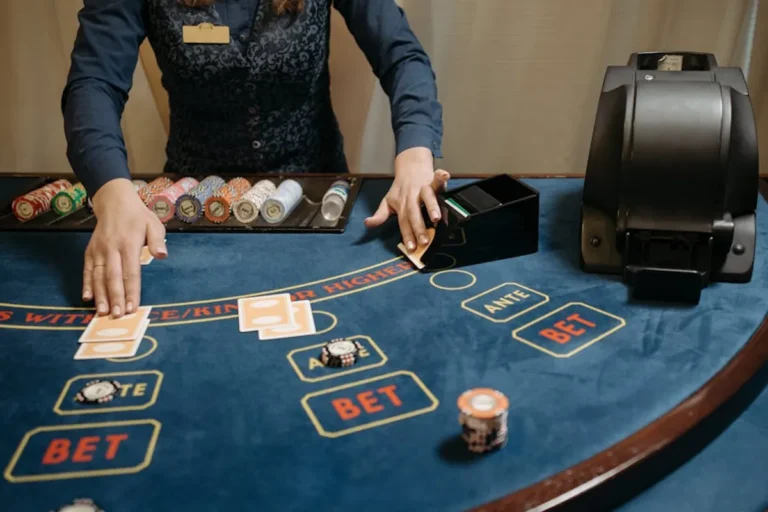

Choosing between slots and live casino games often comes down to a player's preference for complexity versus immediate accessibility. For those new to online gaming or seeking straightforward entertainment, the perceived ease of understanding can be a primary decision-making factor. This comparison examines the inherent learning curves, rule sets, and strategic demands of each game type, helping players align their expectations with the gameplay experience they seek.
Slots: Immediate Engagement, Minimal Prerequisites
Slot machines, whether digital or physical, are designed for instant play. Their core mechanic involves spinning reels and matching symbols across predefined paylines. This simplicity is their primary draw for players seeking entertainment without extensive rule memorization or strategic analysis. The interaction is largely limited to setting a bet size and initiating a spin, with outcomes determined by a random number generator (RNG).
Core Mechanics and Player Input
The fundamental operation of a slot game requires minimal player input beyond selecting a wager and pressing a 'spin' button. There are no decisions to make during the round that influence the outcome, as all symbol combinations and bonus triggers are pre-programmed and randomized. This means a player can begin playing within seconds of loading a game, without needing to consult a rulebook or practice strategy. The visual and auditory feedback, coupled with thematic elements, guides the player through the experience.
Understanding Paytables and Volatility
While the basic gameplay is simple, a deeper understanding of slots involves grasping concepts like paytables, volatility, and Return to Player (RTP) percentages. The paytable details the value of each symbol combination and explains any special features like wild symbols, scatter symbols, or bonus rounds. Volatility indicates how frequently and how large payouts tend to be (high volatility means less frequent but larger wins, low volatility means more frequent but smaller wins). RTP is a theoretical long-term percentage of wagers returned to players. However, understanding these elements is not a prerequisite for playing; it enhances decision-making regarding which slot to play, rather than how to play it.
Live Casino Games: Rule-Bound Interaction, Strategic Depth
Live casino games replicate the experience of a physical casino by streaming real-time interactions with human dealers. This format introduces a layer of social engagement and authenticity, but it also necessitates a more involved understanding of traditional table game rules and, in many cases, strategic decision-making.
The Foundational Rules of Table Games
Unlike slots, live casino games such as Blackjack, Roulette, Baccarat, and Poker variants each come with distinct rule sets that players must learn. For example:
- Blackjack: Players aim for a hand total closer to 21 than the dealer, without exceeding 21. Decisions like 'hit', 'stand', 'double down', or 'split' are crucial and rule-governed.
- Roulette: Players bet on where a ball will land on a spinning wheel. While the betting options are numerous, the core mechanic of placing chips on a layout is relatively simple once understood.
- Baccarat: Players bet on whether the 'Player' hand or the 'Banker' hand will have a total closer to nine. The game's drawing rules are complex but are handled by the dealer, making player decisions limited to betting on Player, Banker, or Tie.
- Poker Variants (e.g., Casino Hold'em): Players compete against the dealer with strategic decisions based on their hand and community cards, requiring knowledge of hand rankings and betting procedures.
Each game demands a different level of rule comprehension before a player can comfortably participate. Misunderstanding rules can lead to incorrect decisions or missed opportunities, directly impacting outcomes.
Strategic Depth and Decision-Making
Beyond basic rules, many live casino games, particularly Blackjack and Poker, involve strategic elements. Optimal strategy in Blackjack, for instance, dictates when to hit or stand based on the player's hand and the dealer's upcard. These strategies are not intuitive and often require study and practice. Players who engage with these games without understanding basic strategy may find themselves at a disadvantage, making the experience less enjoyable and potentially more costly. The real-time nature of live games also adds pressure, as players must make decisions within a set time limit.
Pro Tip: For live casino games, always start with free-play versions or observe games before placing real money bets. Many platforms offer 'demo' modes or allow spectators, which can significantly reduce the learning curve and prevent costly mistakes while you grasp the rules and pace of play.
Choosing Your Experience: Simplicity vs. Engagement
The ease of understanding for slots versus live casino games is fundamentally different. Slots offer immediate gratification with a negligible learning curve. Players can jump in without prior knowledge and still experience the full scope of the game's mechanics, albeit without optimizing their play based on volatility or RTP. The cognitive load is low, making them ideal for casual entertainment.
Live casino games, conversely, demand an upfront investment in learning. While a game like Roulette can be grasped relatively quickly, games like Blackjack or Poker require understanding not just the rules but also strategic principles to play effectively. The cognitive load is higher due to real-time decision-making, interaction with a dealer, and adherence to specific game protocols. This makes them appealing to players who enjoy intellectual engagement, social interaction, and the challenge of applying strategy.
Best for:
- Slots: Players seeking quick, simple entertainment; those who prefer luck-based outcomes; players who want to avoid complex rules or strategic thinking.
- Live Casino Games: Players who enjoy strategic challenges; those who prefer interactive, social gaming; individuals who appreciate the authentic casino atmosphere and real-time decision-making.
Making an Informed Choice
Ultimately, the "easier to understand" game depends on individual player preference and what they seek from their gaming experience. Slots provide instant access and minimal mental effort, making them universally approachable. Live casino games offer a richer, more interactive experience but require a commitment to learning rules and, in some cases, strategy. Players prioritizing ease and speed will gravitate towards slots, while those valuing engagement, skill, and a more traditional casino feel will find live dealer games more rewarding, despite the initial learning investment. Ultimately, players seeking a structured approach might want to consider how to choose casino games based on their personal budget and experience level.
Frequently Asked Questions
Which type of game is better for new players?
Slots are generally better for new players due to their simple mechanics and lack of complex rules or strategic requirements. They offer immediate entertainment without a steep learning curve.
Can I play live casino games without knowing all the rules?
While you can place bets in some live casino games like Roulette or Baccarat with minimal rule knowledge, understanding the rules fully is crucial for informed decision-making and a more satisfying experience, especially in games like Blackjack or Poker.
Do live casino games offer practice modes?
Most live casino platforms do not offer free-play or demo modes for live dealer games, as these involve real human dealers and resources. However, many allow players to observe games before joining, which serves as an effective way to learn the rules and pace.
Are slots purely based on luck?
Yes, slot outcomes are determined by a random number generator (RNG), making them purely games of chance. While understanding concepts like RTP and volatility can inform game selection, individual spins are entirely random and cannot be influenced by skill or strategy.